
Blogs
Expert insights on rentals
November 26, 2025
When Is the Best Time to Book a Jersey Shore Beach Rental?
Timing your booking can be the difference between landing your dream Jersey Shore beach rental and scrambling for whatever is left. For popular spots like Seaside Heights, Seaside Park, Belmar, Lavallette and Lake Como, the best time to book depends on when you want to travel, how fixed your dates are and what kind of…
Breezy Beach
View more
November 19, 2025
Jersey Shore Vacation Rentals: A Buyer’s Guide to High-ROI Properties
If you have ever dreamed of owning a slice of the Jersey Shore, there has never been a better time. Vacation rentals along this iconic coastline offer not just a place to relax, but a powerful investment opportunity with high potential returns. Breezy Beach Stays specializes in helping buyers discover and acquire Jersey Shore vacation…
Breezy Beach
View more
November 13, 2025
From Purchase to Profit: How Breezy Helps Investors Maximize ROI on Vacation Rentals
Investing in a Jersey Shore vacation rental can be one of the smartest financial moves you make, but the journey from signing closing papers to seeing consistent profit requires more than just owning a beautiful beach property.
Breezy Beach
View more
November 5, 2025
Navigating Open Houses on the Jersey Shore
If you're thinking about investing in a vacation rental along the Jersey Shore, attending open houses is one of the best ways to get a feel for the market and find your perfect property. Whether you're eyeing beachfront properties in Seaside Heights or cozy cottages in Bay Head, knowing how to navigate open houses effectively…
Breezy Beach
View more
October 29, 2025
How to Get Your Seaside Heights Short-Term Rental Approved – A Simple Guide for Owners and Investors
If you own or plan to invest in a short-term rental property in Seaside Heights, New Jersey, you need to understand the township's approval process before you can legally rent your property. Getting approved involves obtaining both a Mercantile License and a Rental Certificate of Occupancy through the Short-Term Rental Property program. This guide walks…
Breezy Beach
View more
October 22, 2025
How Bonus Depreciation Makes Vacation Rentals the Smartest Investment
If you've been considering investing in a vacation rental property, 2025 might be the perfect time to make your move. Thanks to the reinstated 100% bonus depreciation, savvy investors are rushing to secure Jersey Shore properties before this incredible tax advantage potentially disappears. This powerful tax provision can save you hundreds of thousands of dollars…
Breezy Beach
View more
October 15, 2025
Airbnb Regulations vs. Returns: Which Jersey Shore Towns Strike the Best Balance?
The Jersey Shore has long been a top destination for vacationers and real estate investors alike. From Sandy Hook to Cape May, its vibrant beaches and iconic communities draw travelers all summer. But when it comes to running an Airbnb or other short-term rental (STR), choosing the right town can make all the difference in…
Breezy Beach
View more
October 8, 2025
Jersey Shore Investment Hotspots: Where to Buy Your Next Vacation Rental
The Jersey Shore has quietly emerged as one of the most profitable vacation rental markets on the East Coast, combining consistent tourist demand with impressive property appreciation. For investors looking to build wealth through coastal real estate, this 130-mile stretch of New Jersey coastline offers opportunities that range from high-energy beach towns to exclusive luxury…
Breezy Beach
View more
October 1, 2025
The Hidden Numbers Realtors Won’t Show You When Buying a Vacation Rental
Thinking about buying a vacation rental property along the beautiful Jersey Shore? You're not alone. The dream of owning a beachside property that pays for itself through rental income is incredibly appealing. However, there are crucial financial details that many realtors conveniently leave out of their glossy presentations. Let's dive into the real numbers behind…
Breezy Beach
View more
Featured
March 5, 2025
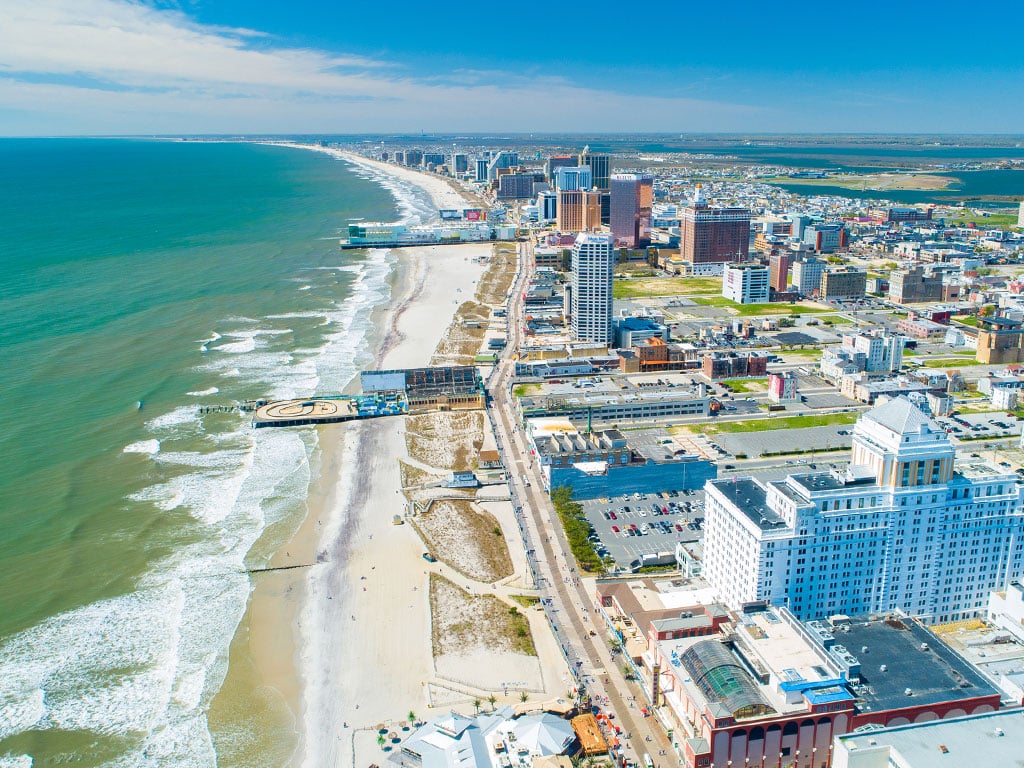
Plan Your Jersey Shore Vacation – Book Top Beach Rentals Now
Jersey Shore vacation with 130 miles of stunning coastline, the Jersey Shore offers an incredible array of experiences for vacationers. From pristine beaches and historic lighthouses to thrilling water sports and family-friendly activities, this iconic destination has something for everyone. Plan your getaway with Breezy Beach Stays, your trusted guide to the perfect accommodation and…
October 15, 2025
Airbnb Regulations vs. Returns: Which Jersey Shore Towns Strike the Best Balance?
The Jersey Shore has long been a top destination for vacationers and real estate investors alike. From Sandy Hook to Cape May, its vibrant beaches and iconic communities draw travelers all summer. But when it comes to running an Airbnb or other short-term rental (STR), choosing the right town can make all the difference in…

May 28, 2025
Top 7 Walking Trails Near Seaside Heights
When you're staying at the Jersey Shore, particularly around Seaside Heights, you might think your only outdoor options are lounging on the beach or riding the famous boardwalk rides. However, this beautiful coastal region offers some incredible walking trails that showcase New Jersey's diverse natural landscapes, from salt marshes and maritime forests to serene lakeshores…

January 1, 1970
Indulge in the Best Ice Cream on the Jersey Shore: A Guide for Your Beach Vacation
Looking for the cherry on top of your Jersey Shore vacation? Whether you’re here for a quick getaway, hosting friends at your beach house rental, or trying to entertain the kids (and yourself), you need to know where to get the best ice cream. From boardwalk favorites to tucked-away gems, these spots in Lavalette, Seaside…

March 26, 2025
Best Dog-Friendly Activities Near the Jersey Shore
Planning a vacation to the Jersey Shore with your four-legged family member? At Breezy, we understand that pets are part of the family, and finding dog-friendly activities can make your stay even more enjoyable. The Jersey Shore offers numerous options for you and your furry friend to explore together, particularly in the Seaside Heights and…

February 11, 2026
Top Family-Friendly and Pet-Friendly Rental Options for Your Next Jersey Shore Vacation or Move
The Jersey Shore has a way of getting into your soul. The smell of salt air, the sound of waves rolling in, the feel of warm sand between your toes, it is one of those places that just feels like home the moment you arrive. And whether you are planning a summer vacation with the…

December 17, 2025
What to Pack for a Jersey Shore Beach Rental Stay
Planning a Jersey Shore getaway means sun, sand, and endless memories waiting to happen. Getting your packing right can make the difference between a smooth, relaxing vacation and a stressful trip filled with forgotten essentials and last-minute store runs. Whether you're staying for a long weekend or an entire summer week, this comprehensive Jersey Shore…

June 11, 2025
5 Kid-Friendly Spots in Seaside Heights & Ortley Beach
Looking for the perfect family getaway on the Jersey Shore? Seaside Heights and Ortley Beach are bursting with kid-friendly spots that guarantee fun, adventure, and lasting memories. Whether your family loves thrilling rides, sandy beaches, or classic boardwalk treats, you'll find plenty to keep everyone smiling. These two neighboring beach towns offer the perfect blend…